Before sequencing genetic material, check whether ABS conditions apply to the specimen.
Review the country of origin and confirm that PIC and MAT allow genetic analysis (e.g. DNA extraction, sequencing, data sharing).
If unsure, check institutional records or the ABS Clearing-House.
Sequencing is considered “utilisation of genetic resources” under ABS. You must follow the agreed terms.
Check whether the ABS terms allow:
DNA sequencing
Data publication (e.g. GenBank, ENA)
Sharing with collaborators
Respect any restrictions or benefit-sharing obligations.

When using AI tools (e.g. for sequence analysis, annotation, or writing), clearly state their use in your methodology or acknowledgements.
AI-generated content or assistance should not be presented as fully human-authored without disclosure.
Under the EU AI Act, AI use in research should include transparency and human oversight EU AI Act.
Do not input personal data, confidential information, or sensitive biodiversity data into AI tools unless they comply with your institution’s data protection rules.
This aligns with the requirements of the General Data Protection Regulation.
Do not rely solely on AI for:
species identification or classification
compliance decisions
ethical assessments
Ensure human oversight, especially where decisions may affect research outcomes or legal obligations.
If you are leading a genomic sequencing activity, review your institution's equality, diversity, and inclusion policies and ensure your work aligns with them.
If no internal guidance is available, refer to EU frameworks on combating discrimination.
Ensure that individuals from diverse cultural and ethnic backgrounds can fully participate in sequencing activities, including:
laboratory work
data analysis
collaboration and authorship
Promote respectful communication, cultural awareness, and equal access to training, data, and infrastructure.
In international collaborations, be mindful of differences in institutional practices, access to resources, and recognition of contributions.
Before starting your DNA barcoding activity, make sure you are aware of the institutional, national, and EU health and safety regulations that apply to your work environment (i.e. the field, lab, or museum collection space). If you are working abroad or collaborating with teams from other countries, check for local differences. Also if you are a team leader and working with participants that are external or from other countries make sure they are aware rules apply to your local situation.
Resources:
Framework Directive on Safety and Health at Work (Directive 89/391/EEC)
Biological Agents at Work Directive (Directive 2000/54/EC)
Chemical Agents Directive (Directive 98/24/EC)
Manual Handling Directive (Directive 90/269/EEC)
Every physical activity carries potential risk (e.g. sampling specimens, especially if they are alive, handling chemicals, transporting equipment). You should carry out a risk assessment or review one if it already exists, in line with the national, EU, or institutions or project policies. This will help plan for hazards like exposure to extreme environments, wildlife, infectious diseases or heavy lifting.
Make sure everyone in your team knows the basic safety plan. For example what to do in an emergency, what gear is needed, and who to contact if something goes wrong.
Also you may need to carry out a risk assessment in terms of your sampling activity on the environment. Please check out the policy components under Protection of Natural Assets.
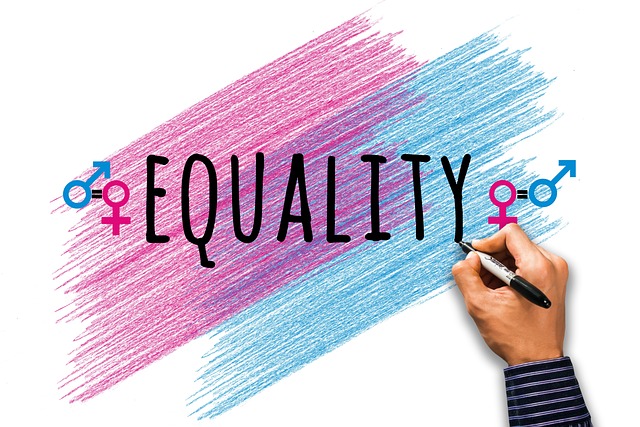
Check if your institution has a Gender Equality Plan and follow its guidance on inclusive recruitment, respectful working conditions, and equal access to resources, training, and research infrastructure (including laboratory and sequencing facilities).
If no plan is available, refer to EU resources on gender equality in research.
Ensure equal opportunities for participation in genomic sequencing activities, including:
laboratory work
data analysis
authorship and leadership roles
Avoid unconscious bias in how roles are assigned or who is included.
In EU-funded projects (e.g. Horizon Europe), reporting on gender participation may be required.


The IAS regulation (Regulation (EU) No 1143/2014) mainly refers to live specimens of Invasive species, subspecies or lower taxon of animals, plants. Fungi or micro-organisms introduced outside its natural range. It can also refer to dead or preserved specimens that still have reproducible parts like seeds or spores. The regulation outlines the definitions, restrictions, permits, authorisations etc. It also mentions a list of IAS called the list of invasive alien species of Union of Concern.
Here you can consult the IAS list (EU IAS webpage)
The CIRCABC (EU document library) also has some in formation on Risk assessments of IAS not listed: (link).
The CIRCABC Nature and biodiversity library: For FAQs_IAS
It is generally prohibited to import, breed, grow, move, sell, or release listed IAS species in the EU.
Researchers may be authorised to collect, keep, and study species listed as IAS of Union Concern only if:
A permit is granted by the national competent authority and
The specimens are stored properly and any scientific studies are done in a controlled environment with measures to prevent escape or spread.
National competent authorities
As part of your permit application, you must submit a contingency plan, including an eradication plan, which must be approved by the competent authority. Within the regulation it makes it explicit that contained holding must meet various strict conditions, including that waste handling, maintenance protocols, removal, destruction or disposal must not allow spread, reproduction or escape outside the holding.
Some member state national competent authorities are listed in the European Alien Species Information Network (link)
Exceptions to collect, keep or study IAS do not override other regulations like CITES, ABS, or conservation laws. Please check these regulations for this activity in the tool. Also go to the see the Genomic resource shipping activity.