Use this page to explore the main activities involved in biodiversity genomics research. Selecting an activity will display the policy areas and guidance checkpoints that apply to it, helping you understand what to consider for compliance and good practice throughout your project.

Terrestrial and freshwater sampling
The workflow for collecting fresh organisms from terrestrial territories, including rivers, and lakes. It includes: selecting species and locations; applying for permits; and the collection strategy.
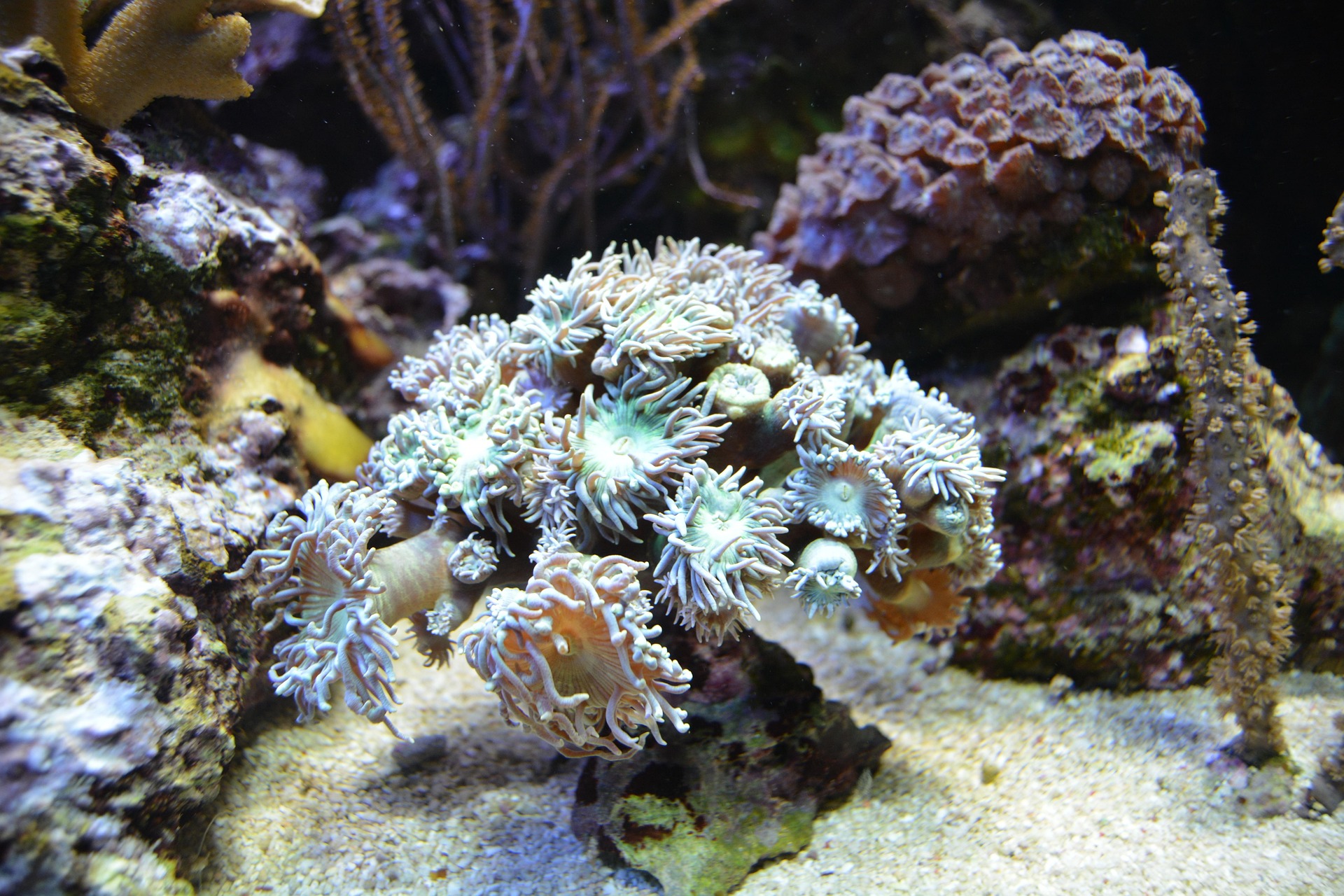
Marine sampling
The workflow for collecting fresh organisms from marine territories. It includes, selecting species and locations, applying for permits, and the collection strategy.
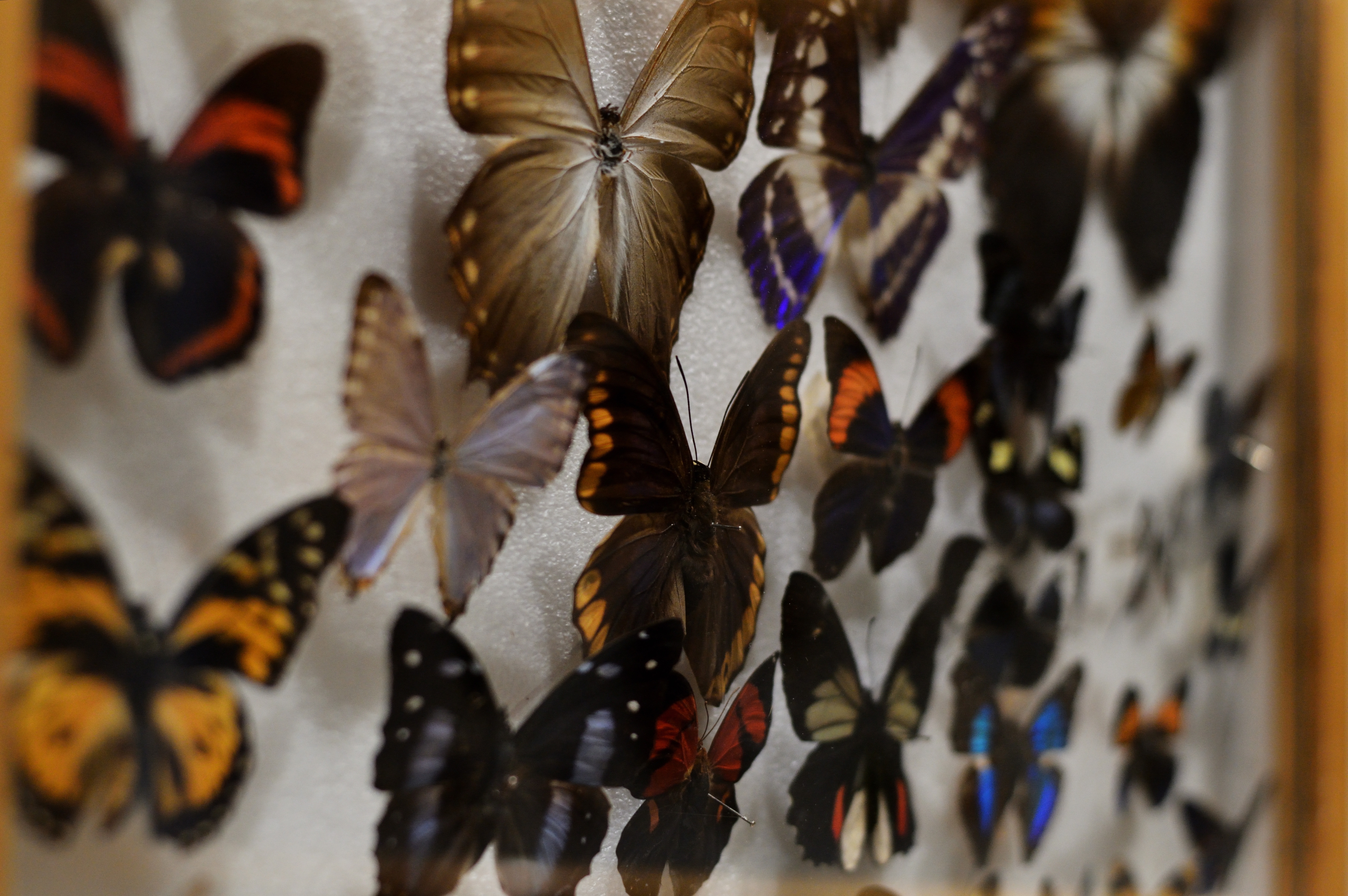
Sampling in ex situ collections
Refers to sampling specimens being held at an institution (e.g. museum, university, etc.). It includes: selecting species and locations applying for permits, and the collection strategy.
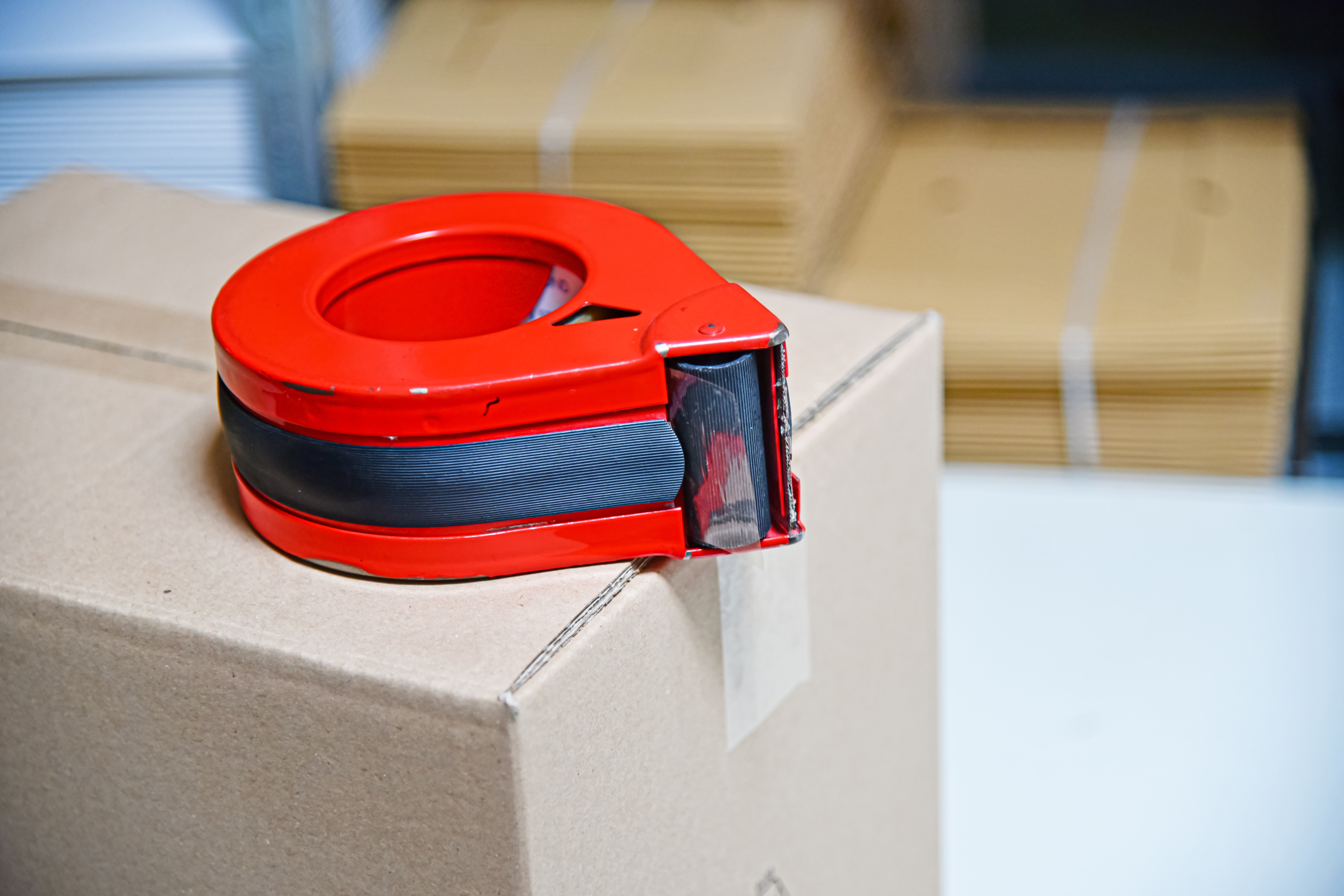
Shipping of genetic resources.
The workflow for transporting samples from one geographical location to another.
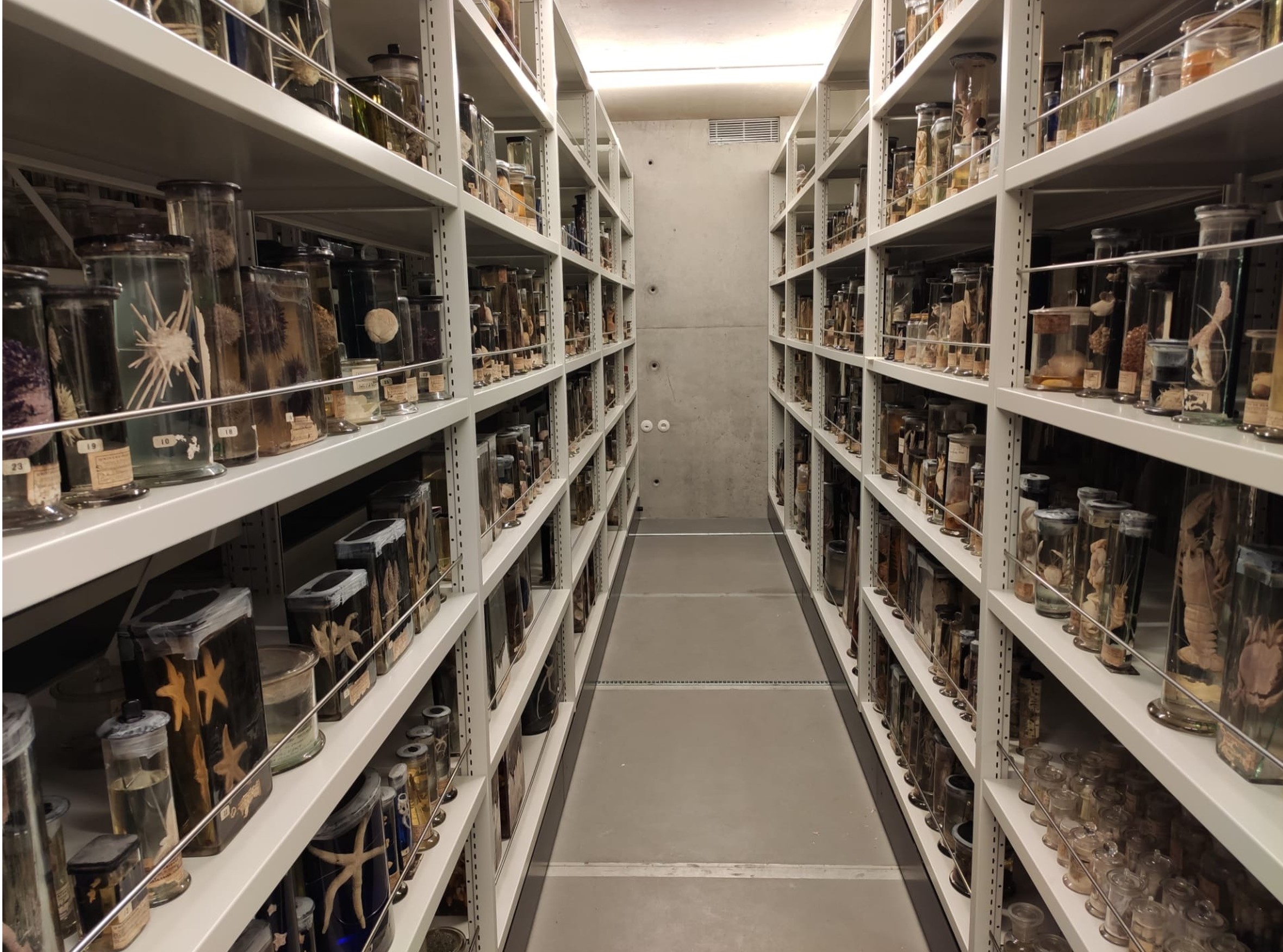
Specimen vouchering and biobanking
Preserving reference specimens and associated biological materials in trusted collections with metadata for long-term traceability and reuse.
Genomic data sharing and publication
This workflow describes the act of data publishing (also data publication) where research data is released in published form for reuse by others.
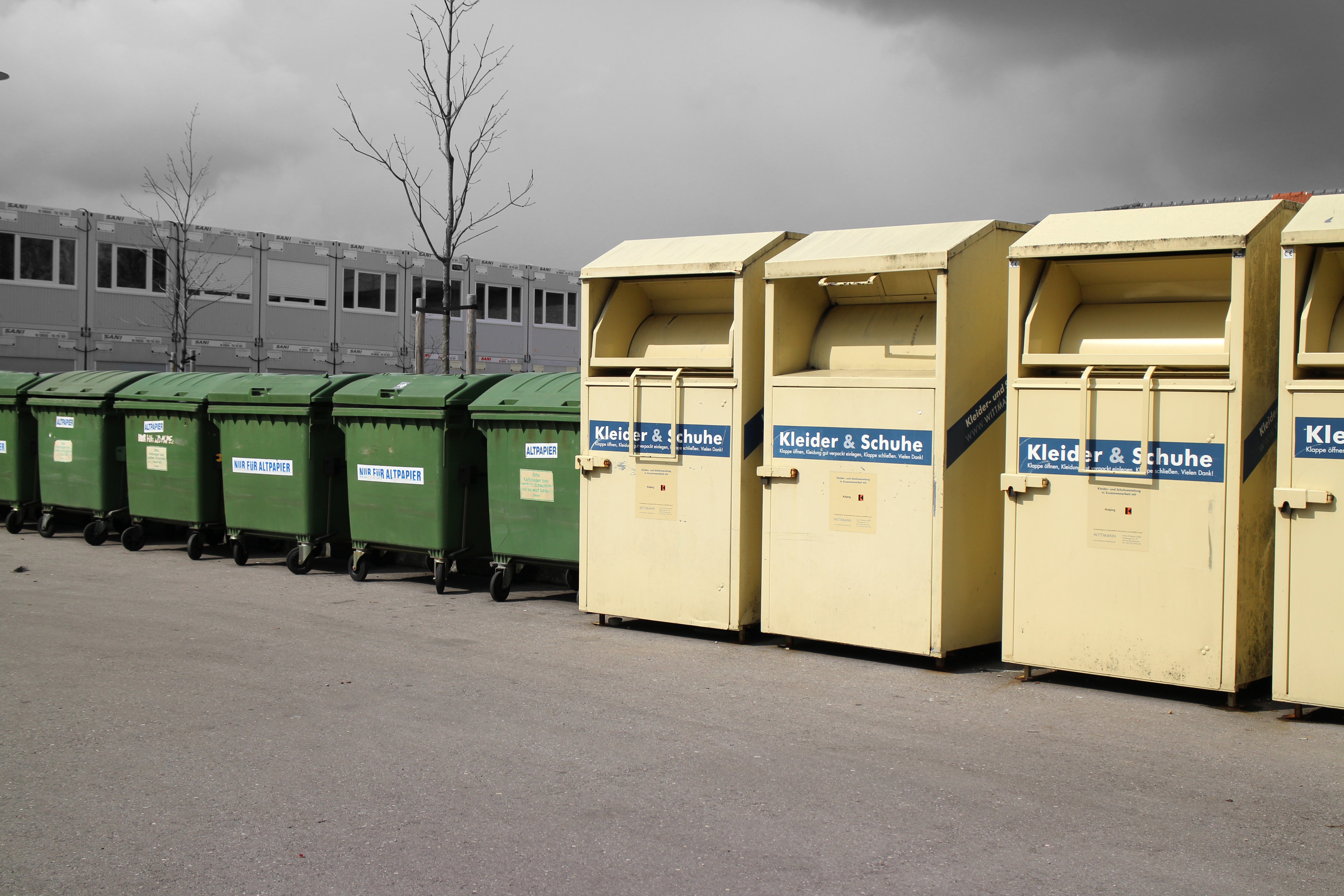
Disposal of samples
This workflow describes the actions and processes involved in the safe and compliant disposal of a sample.

Permanent transfer of specimen ownership
The formal process in which legal and custodial rights to a specimen are reassigned from one institution or individual to another.
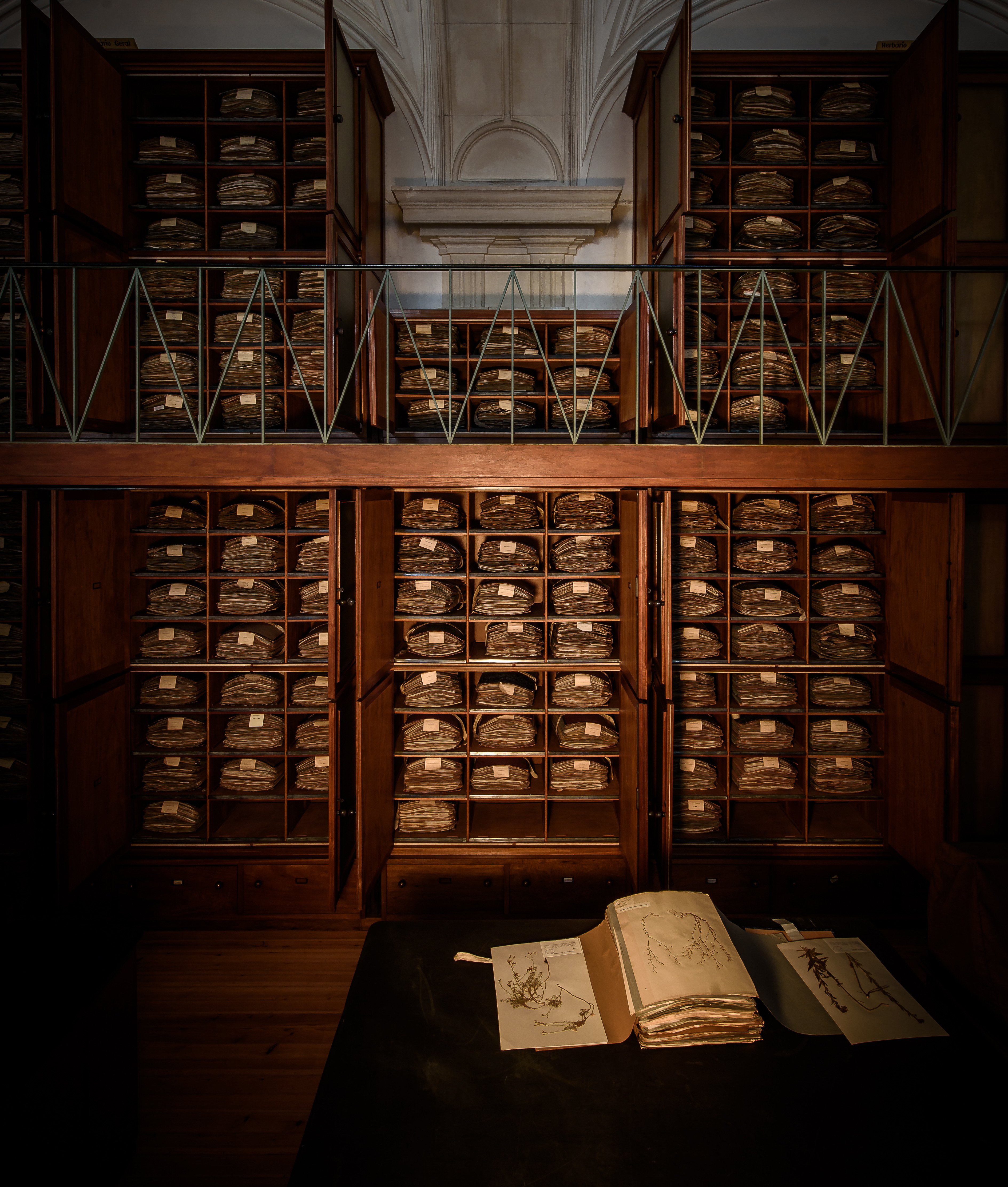
Specimen loan/temporary transfer
The formal process of moving a specimen from one custodian to another, either permanently (ownership transfer) or temporarily (loan), under agreed terms and documentation.
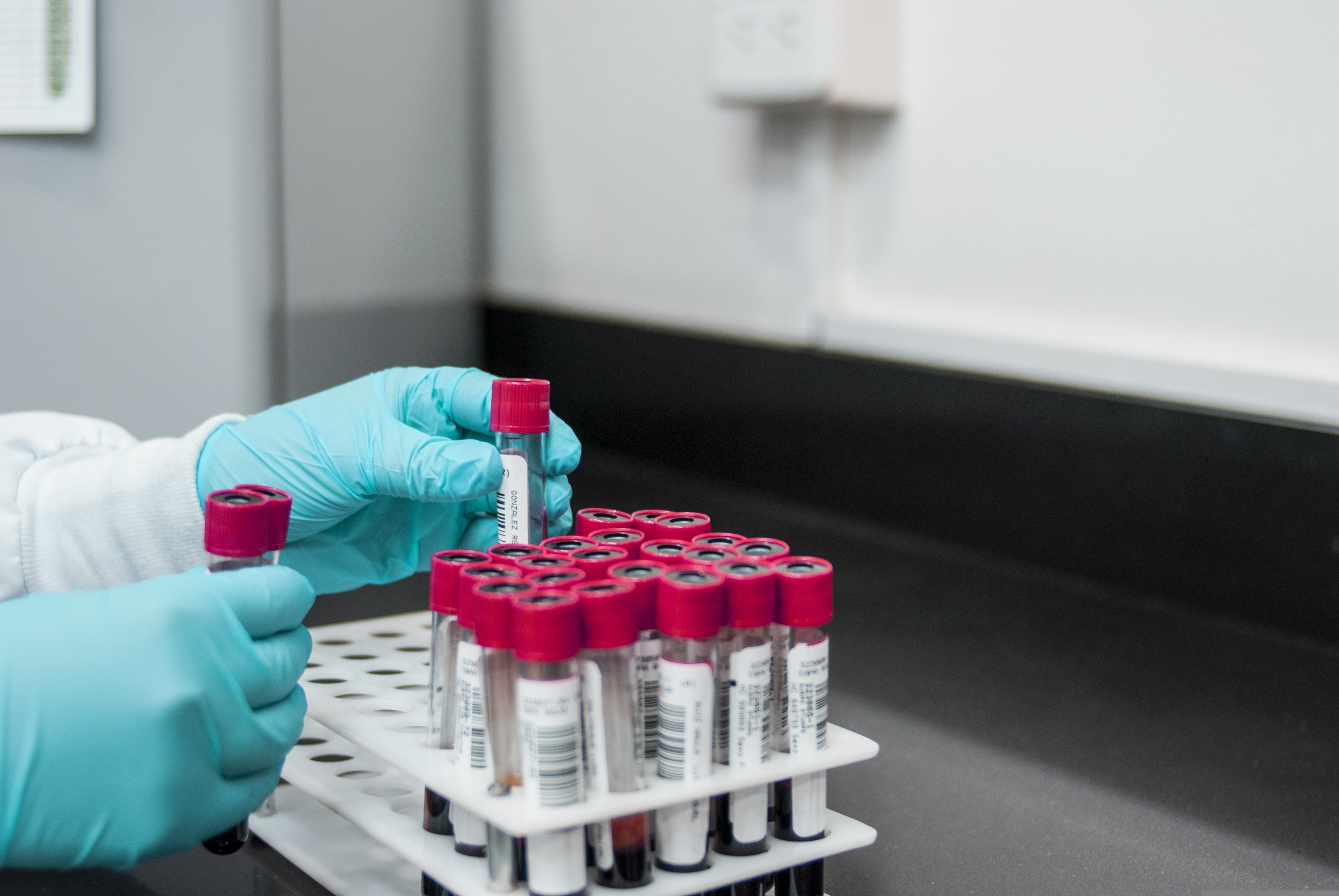
Genomic sequencing
Genomic sequencing is the process of determining the DNA sequence of an organism to study its genetic composition and variation.
DNA barcoding
This workflow describes DNA barcoding. Which is a method of specimen identification using short, standardized segments of DNA.