.

Refers to ethical regulations and best practices around the use of Artificial intelligence to conduct research and work.
The workflow for collecting fresh organisms from terrestrial territories, including rivers, and lakes. It includes: selecting species and locations; applying for permits; and the collection strategy.
The workflow for collecting fresh organisms from marine territories. It includes, selecting species and locations, applying for permits, and the collection strategy.
Refers to sampling specimens being held at an institution (e.g. museum, university, etc.). It includes: selecting species and locations applying for permits, and the collection strategy.
Genomic sequencing is the process of determining the DNA sequence of an organism to study its genetic composition and variation.
This workflow describes DNA barcoding. Which is a method of specimen identification using short, standardized segments of DNA.
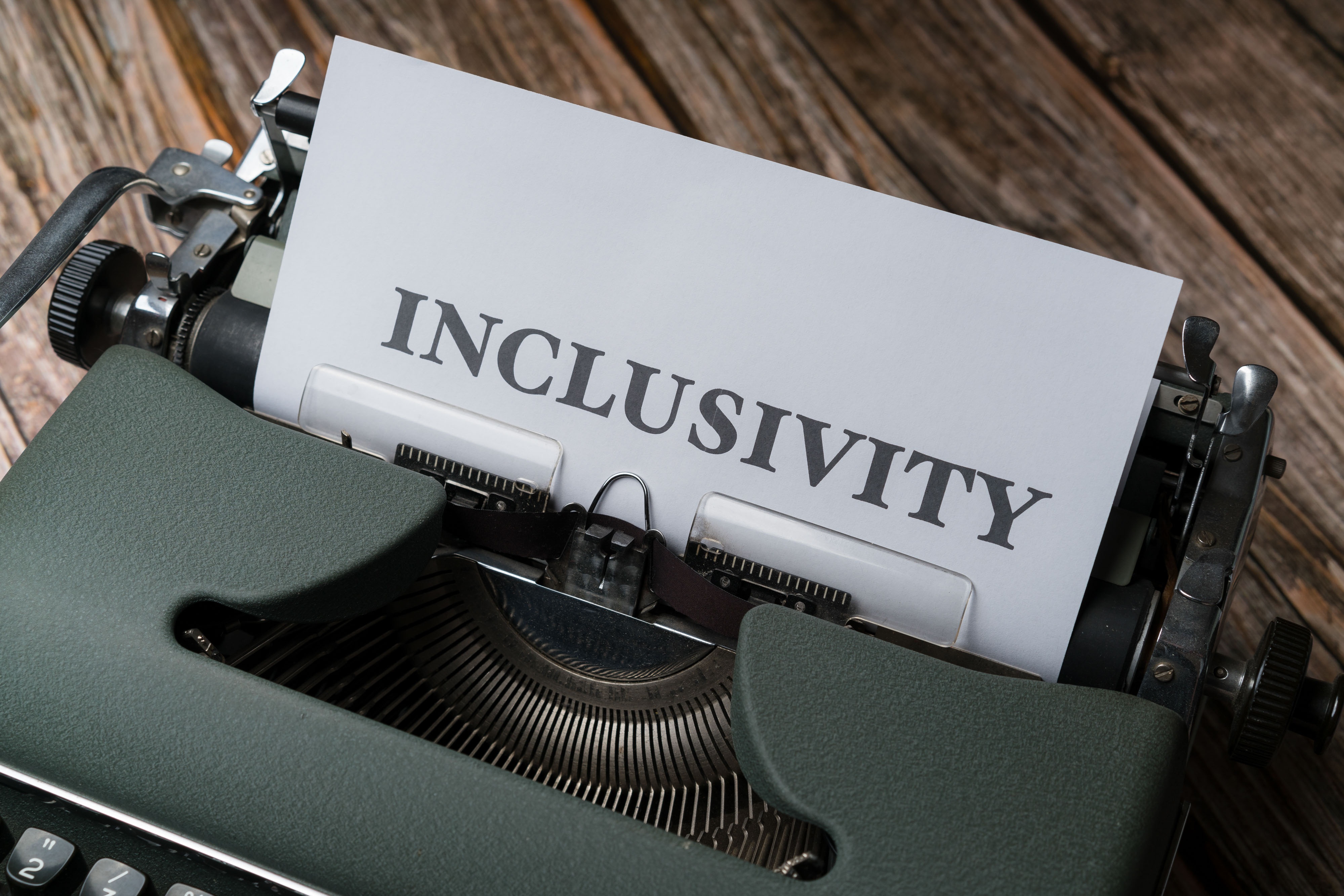
Refers to regulations around Cultural & Ethnicity Equality in the workplace or field activities.
The workflow for collecting fresh organisms from terrestrial territories, including rivers, and lakes. It includes: selecting species and locations; applying for permits; and the collection strategy.
The workflow for collecting fresh organisms from marine territories. It includes, selecting species and locations, applying for permits, and the collection strategy.
Refers to sampling specimens being held at an institution (e.g. museum, university, etc.). It includes: selecting species and locations applying for permits, and the collection strategy.
This workflow describes DNA barcoding. Which is a method of specimen identification using short, standardized segments of DNA.

This refers to regulations around fully disclosing information about to participants (Volunteers, Citizen scientists, colleagues) prior to activities, including the risks the amount of physical and mental exertion. Also the seeking of prior informed consent of participants taking part in your organized activities, including parental Authorisation.
The workflow for collecting fresh organisms from terrestrial territories, including rivers, and lakes. It includes: selecting species and locations; applying for permits; and the collection strategy.
The workflow for collecting fresh organisms from marine territories. It includes, selecting species and locations, applying for permits, and the collection strategy.
Refers to sampling specimens being held at an institution (e.g. museum, university, etc.). It includes: selecting species and locations applying for permits, and the collection strategy.
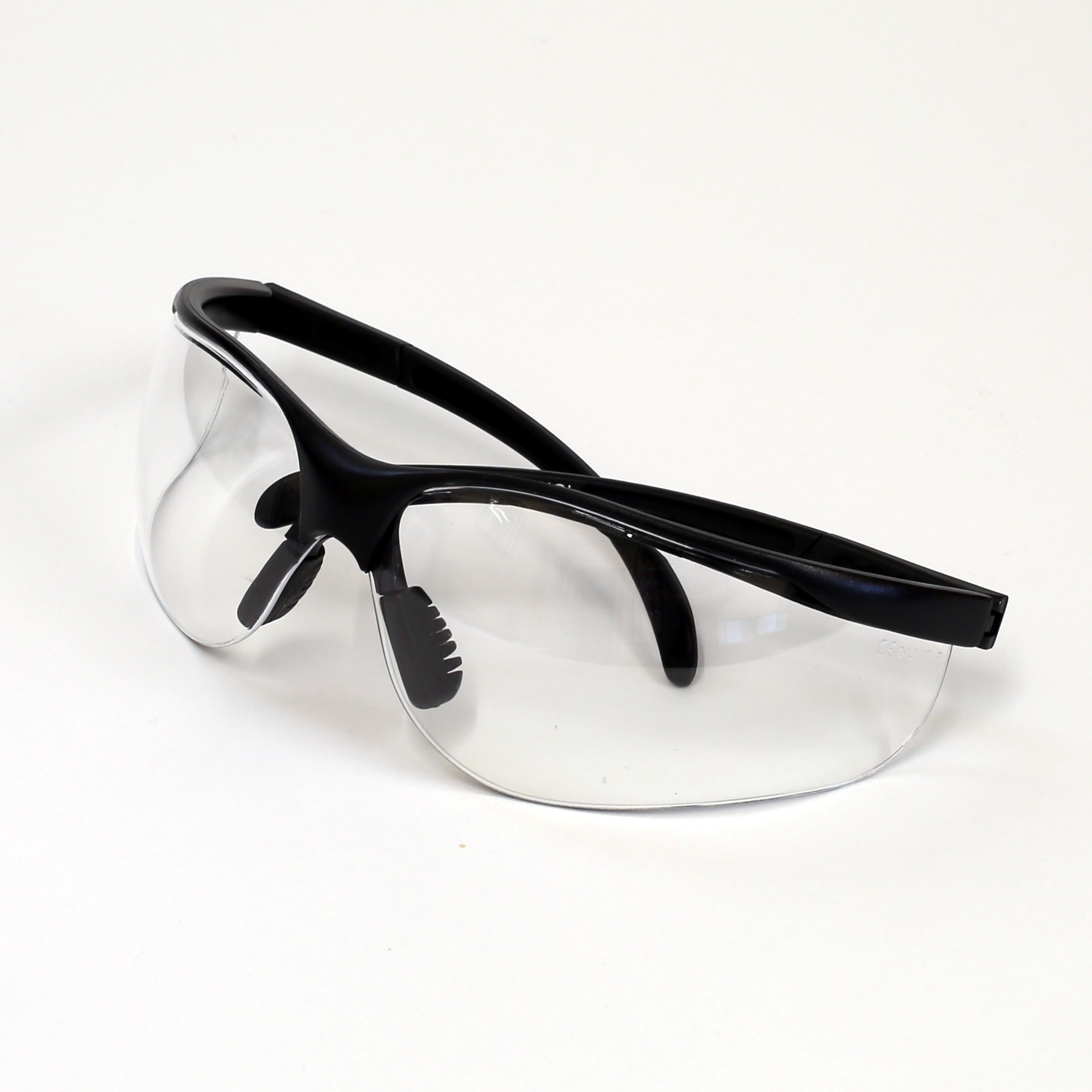
Refers to regulations at global, national and EU laws around health and safety in your physical working environment.
The workflow for collecting fresh organisms from terrestrial territories, including rivers, and lakes. It includes: selecting species and locations; applying for permits; and the collection strategy.
The workflow for collecting fresh organisms from marine territories. It includes, selecting species and locations, applying for permits, and the collection strategy.
This workflow describes DNA barcoding. Which is a method of specimen identification using short, standardized segments of DNA.
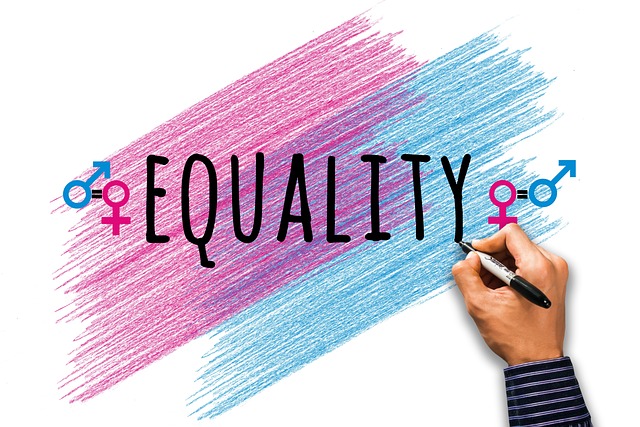
Refers to regulations around Gender Equality in the workplace or field activities
The workflow for collecting fresh organisms from terrestrial territories, including rivers, and lakes. It includes: selecting species and locations; applying for permits; and the collection strategy.
The workflow for collecting fresh organisms from marine territories. It includes, selecting species and locations, applying for permits, and the collection strategy.
Refers to sampling specimens being held at an institution (e.g. museum, university, etc.). It includes: selecting species and locations applying for permits, and the collection strategy.
This workflow describes DNA barcoding. Which is a method of specimen identification using short, standardized segments of DNA.
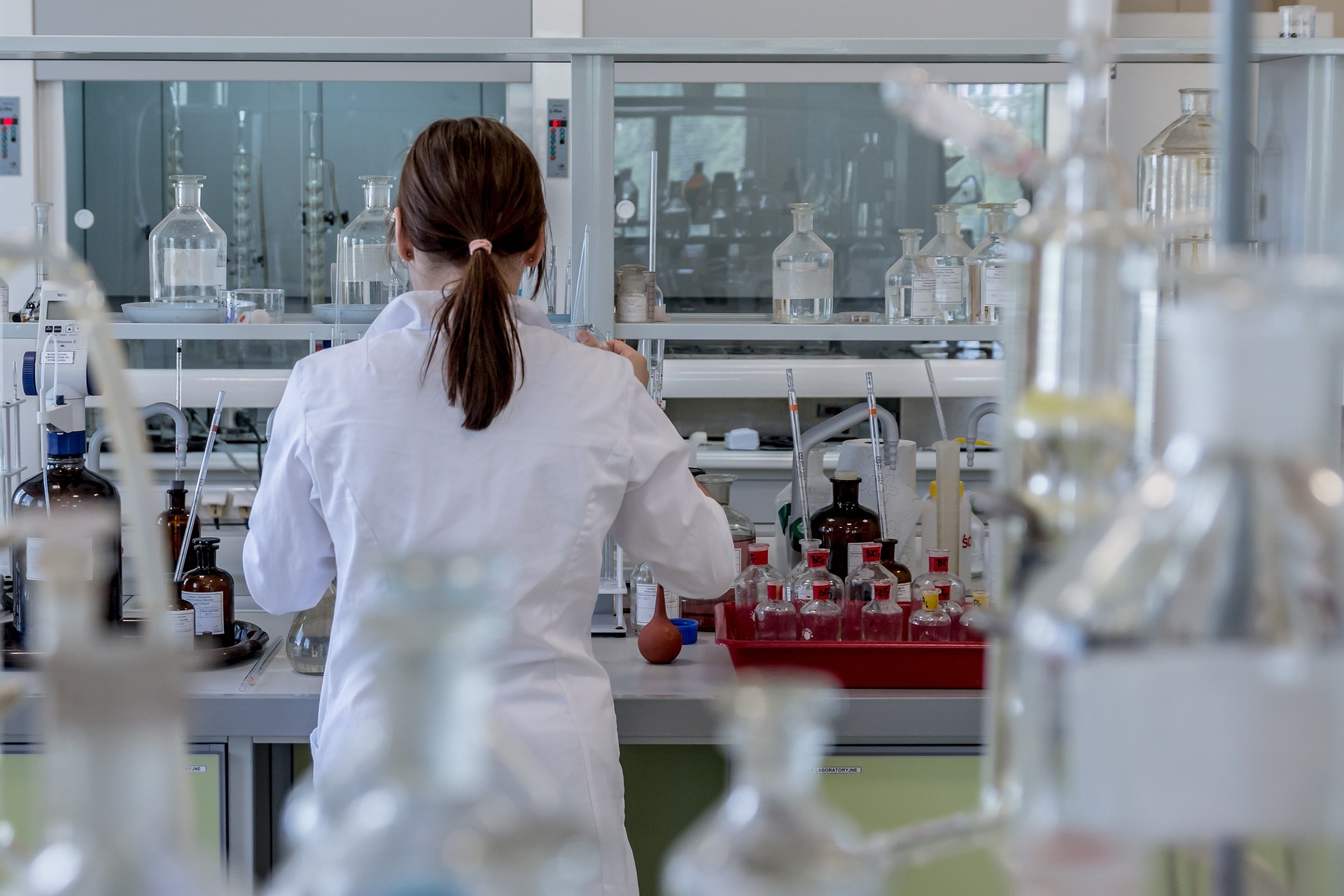
Refers to regulations at global, national and EU laws around working conditions of personel including environment, paid work, breaks, and work durations.
The workflow for collecting fresh organisms from terrestrial territories, including rivers, and lakes. It includes: selecting species and locations; applying for permits; and the collection strategy.
The workflow for collecting fresh organisms from marine territories. It includes, selecting species and locations, applying for permits, and the collection strategy.
Refers to sampling specimens being held at an institution (e.g. museum, university, etc.). It includes: selecting species and locations applying for permits, and the collection strategy.
Genomic sequencing is the process of determining the DNA sequence of an organism to study its genetic composition and variation.
This workflow describes DNA barcoding. Which is a method of specimen identification using short, standardized segments of DNA.